


Understanding Bereavement and Grief
Individuals who are in bereavement require time in order to properly come to terms with the intense emotions experienced during this period. By patiently and adequately coping with loss, you will process your grief with notable progress and more easily continue to engage in everyday activities.
Many individuals will claim that acceptance of the death of a loved one is difficult to achieve, as is acceptance of the traumatic event itself. However, working through your grief isn’t a goal achieved overnight. Rather, it involves a constant progression of actions and decisions that are designed to assist you with coping.
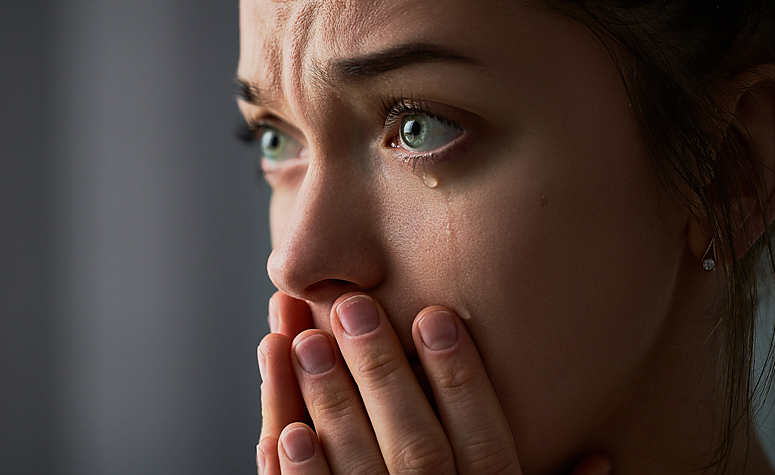
What is Bereavement?
When an individual loses someone with whom they were intimately close, no matter the nature of their relationship, the period of intense emotional reactions that follows the event is what experts call bereavement. Another commonly used colloquial phrase to describe this period is “this person is in mourning”.
Bereavement can greatly vary in duration, intensity, scope, and other factors. Broadly speaking (though there are recorded exceptions), the closeness or the relationship level between individuals will influence the intensity of bereavement. In layman’s terms, if you’ve developed an intense, close relationship with an individual, there’s a high likelihood that your bereavement process will be intense after their passing.
Grief manifests in different ways. For instance, the person may have passed away suddenly, or it might have been a protracted affair lasting for a sizeable period of time. In addition, you may have been aware of their condition and anticipated their passing, or it could have surprised you. Upon learning the news of a loved one’s passing, you can exhibit one of numerous intense emotions: anger, sadness, frustration, guilt, anxiety, melancholy, etc. Moreover, there’s a high chance of exhibiting rapid and often drastic mood swings and temperament changes. Depending on their frequency and intensity, they can affect your everyday life in unpleasant, often debilitating ways.
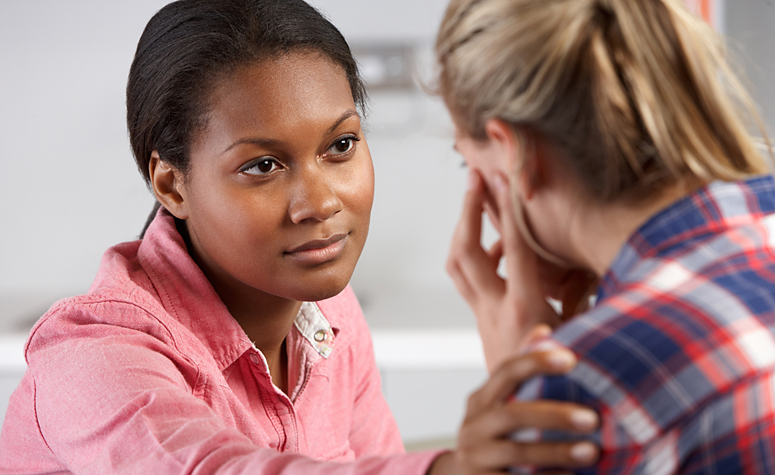
Bereavement Counselling
Prolonged and protracted grief reactions can lead to damaging psychological and mental health issues, such as anxiety, depression, panic attacks, and more. To help prevent this, we offer grieving individuals state-of-the-art facilities equipped for personalised bereavement counselling. Our experts utilise the most effective methods to assist grieving parties in reaching emotional equilibrium and mitigating the negative emotions that ultimately follow a major loss.
We provide professional patient care with direct access to individualised, tailored therapy programmes. Depending on the intensity of your condition, we offer both 1-on-1 counselling sessions with medical experts, as well as carefully managed group therapy with other individuals experiencing similar challenges. Our staff is equally trained to counsel grieving inpatients as well as to mitigate any accompanying symptoms or conditions, such as anxiety or depression.
Aside from inpatient care, we offer various outpatient options, especially for individuals whose grieving process is either mild in severity or improving after a successful period of inpatient care.
What is Involved in Bereavement Counselling
Our experts recognise that no two cases of bereavement are alike. Therefore, depending on how you’re coping with loss, we will craft a specific, bespoke programme with the sole intent of handling your level of grief.
However, there are certain methods of treatment that are common across different cases, and they include the following:
- Psychotherapy treatments
- Online therapy
- Group therapy
- Mindfulness or meditation
- Cognitive behavioural therapy
It’s important to note that our experts will never rely on only one method to assist grieving individuals in managing their conditions and easing any potential symptoms of more severe physical, psychological or mental issues. They always use a combined approach, employing several different techniques to address every aspect of your grieving process.
Through therapy, you can learn to understand why you grieve, gain valuable insights into your own state of mind, and ultimately find constructive ways to channel your negative emotions into something positive or productive.

When someone you love becomes a memory,
that memory becomes a treasure

Reasons You Might Require Bereavement Counselling
Death in and of itself is a major cause of bereavement, but depending on the nature of specific deaths, your coping mechanisms and the intensity of grief will differ. Listed below are some of the most common primary causes of bereavement.
Death of a parent
Losing a parent is an unfortunate circumstance that many people across the globe have to face. After all, it’s inevitable that the people who gave you life will pass away at a certain point in time. The bereavement can be especially intense if the relationship between you and your parent was close when they were alive. Support from other family members, such as siblings or cousins, is crucial for recovery when losing a parent.
Death of a child
This cause of bereavement is arguably the most intense, mainly because we as humans expect death to follow a pre-established natural pattern, i.e., where individuals of advanced age pass away before young adults or children. Those who lose a child most often exhibit extreme forms of bereavement behaviours, making the coping and healing process exceptionally difficult and lengthy.
Death of a spouse/partner
Intimacy felt between two partners can be far-reaching and intense, so much so that losing a partner or a spouse can feel like losing a part of oneself. As is the case with the death of a parent, it’s of vital importance to get support from close family members and friends during the grieving process.
Death of a sibling
Losing a brother or a sister can be devastating, especially for siblings who have developed close bonds. A sibling is essentially an intimate “friend” whom you’ve known since your formative years, making the loss extra difficult to process. The difficulty is even more intense when the siblings are underage. If a child undergoes this experience, it’s of extreme importance to involve them fully in the bereavement process. The sooner an expert or a family member approaches the surviving sibling, the more effective future counselling and therapies will be.
Death via suicide
Most of the stages listed above cover individuals who’ve passed away from either natural causes or accidents. However, sometimes a loved one will end their own life, adding another, more severe layer to bereavement. Feelings of frustration, anger, rage, disappointment, and helplessness can overwhelm the surviving family member or partner. Sometimes, those strong emotions are aimed at the individual who committed suicide. Other times, they are directed inward, causing the grieving individual to blame themselves for not understanding the situation and not acting promptly.

What are the Stages of Grief?
Individuals with a passing knowledge of psychology and other related fields of study will likely know about the so-called five stages of grief. Experts have studied these stages, with some research suggesting additional stages beyond the original five.
However, while most of the findings from these studies remain inconclusive, a number of elements do reoccur. For instance, professionals are certain that the stages don’t happen in a set order. Instead, any of the five stages can manifest either at the beginning, at the end, or in between.
- Denial
This is commonly listed as the first stage (also involving numbness and disbelief). Individuals in denial are overtaken by the initial shock of a death, either consciously or unconsciously refusing to accept the fact someone close has passed away. - Anger
This is often followed by blame, is a common stage that most bereaved individuals experience. During this stage, they feel intense negative emotions either aimed at others, themselves, or inanimate objects. - Bargaining
A stage that involves a grieving individual making plans or committing acts in an attempt to somehow “reverse” the traumatic event. Religious individuals often turn to prayer and make promises to change certain life choices. - Sadness
Often listed as the fourth stage, but experts argue that it permeates through all other stages throughout the healing process. As a stage, it is fairly self-explanatory. Individuals who grieve feel powerful, intense bouts of depression, sorrow, and despair. At this stage, it is crucial to pursue an expert in bereavement counselling. - Acceptance
Often, though not always, acceptance is the final stage. Individuals who accept the loss of a loved one are more likely to move forward, find healthy coping mechanisms, and eventually continue to live their lives fairly unimpeded by grief.
Our medical staff will work 24/7 to help you move forward, no matter what stage of the grieving process you are currently in. Through our bespoke bereavement counselling and therapy programmes, you have a high chance of coming to terms with the death of a loved one and continuing past that point, living your best life.
FREE Bereavement and Grief Assessment
If your or a loved one are struggling with the effects of bereavement and grief, we understand the challenges you’re facing and we’re here to offer you compassionate help.
Our highly trained advisers are available to speak to you right away, simply call 0808 252 3379 today.
We can discuss your concerns in complete confidence, explore the options for treatment, and help you to understand what will work best for you.
We’ll also help you to book your free bereavement and grief assessment there and then, with appointments usually available within only a few days.
We understand that taking the first step can be the most difficult, but we’re here to support – with no pressure or judgement.
Professional and compassionate help is just a phone call or click away.